
Residential Pumps and Valves – Maintenance and Repair
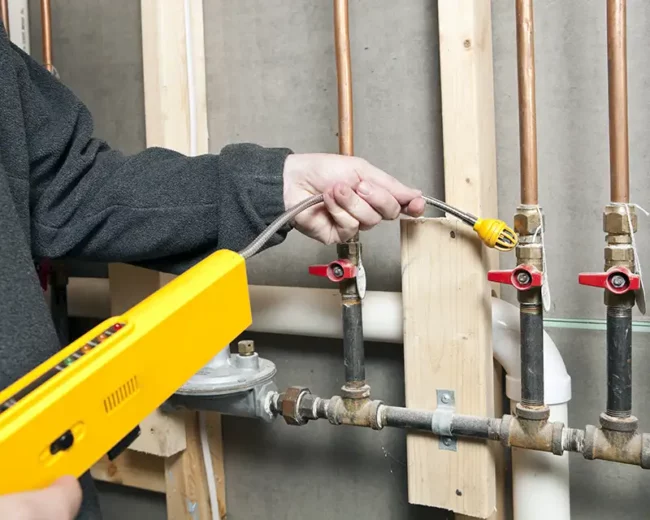 Imagine trying to control a garden hose without a nozzle – that’s what your plumbing would be like without valves. From managing water pressure to preventing catastrophic flooding, valves are essential. They regulate water flow to fixtures and can stop the flow entirely in emergencies. Every plumbing fixture should have at least one shut-off valve for safety and control.
Houston Residential Plumber for Essential Valves
Your home’s plumbing system relies on several types of valves to control water flow:
- Main Water Shut-Off Valve: This master control cuts off water supply to your entire home. It’s essential for emergencies or major repairs.
- Fixture Shut-Off Valves: Located near sinks, toilets, and showers, these valves control individual water sources.
- Pressure Reducing Valve: Maintains safe water pressure levels, protecting pipes and preventing waste.
- Gate Valves: Used for on/off control, ideal for emergencies or large-particle fluids.
- Ball Valves: Offer quick, quarter-turn operation for frequent use and high-pressure situations.
- Check Valves: Prevent water backflow and water hammer, protecting your plumbing system.
Types of Water Pumps in Your Home
Pumps use mechanical energy to move water from point A to point B. This can be from the main water supply to your faucets or from your home to the sewer system. Pumps are essential for overcoming distance and elevation challenges in your plumbing.
Santhoff Plumbing offers a range of pump solutions to fit your specific needs. Here’s a breakdown of common pump types that may be found within your home:
- Centrifugal Pumps: These workhorse pumps use a spinning impeller to create suction and move water. They’re efficient, low-maintenance, and versatile for various pressure needs. Many sump pumps are this type.
- Positive Displacement Pumps: Perfect for high-pressure applications, these pumps trap and displace liquid with each cycle. They’re durable and reliable, meaning they require less maintenance over time.
- Jet Pumps: Ideal for boosting water pressure, jet pumps create suction through a high-velocity water stream, like for faucets or sprinkler systems. They deliver strong pressure but require more energy.
- Vacuum Pumps: Used to create suction in plumbing systems, vacuum pumps are highly efficient and can reduce energy costs.
Highly Experienced Houston Plumbing Company
Santhoff Plumbing is your trusted partner for all your home plumbing needs. Our expert Houston plumbers offer quick, reliable solutions. From installation to repair, we handle it all. Contact us today to schedule our fast and effective professional plumbing service.