
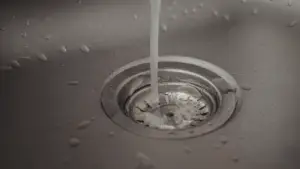
 It starts with a bathroom sink that takes just a little longer than it used to drain. Then the kitchen sink follows. Before long, you’re standing in an inch of water every time you shower. For many homeowners in Sugar Land and Missouri City, a slow drain gets brushed off as a minor inconvenience — but it’s often a warning sign of something that’s getting worse every day you wait.
Why Slow Drains Are More Serious Than They Look
A slow drain doesn’t just mean water drains slower. It means something is partially blocking the pipe — and that obstruction is usually growing. The most common culprits in Houston-area homes include:
- Grease and fat buildup — poured down the kitchen sink over time, hardening on pipe walls
- Hair and soap scum — accumulating in bathroom sink and shower P-traps
- Tree root intrusion — roots from Houston’s large oak and elm trees infiltrate sewer lines through joints and cracks
- Mineral scale — hard water deposits narrowing older cast iron or galvanized drain pipes
- Foreign objects — children’s toys, hygiene products, and other items that shouldn’t go down a drain
What Happens If You Ignore a Slow Drain
The progression from slow drain to serious problem is predictable:
- Complete blockage — the partial obstruction fully blocks the pipe, resulting in standing water and potential sewage backup
- Drain flies and odors — organic material trapped in pipes breeds bacteria and drain flies
- Sewer gas infiltration — a compromised drain system can allow hydrogen sulfide and methane gases into your home
- Pipe damage — caustic drain cleaners used repeatedly can damage PVC and older metal pipes from the inside
- Sewage backup — the worst-case scenario: raw sewage backing up into your tubs, sinks, or floor drains
The Problem with Store-Bought Drain Cleaners
Products like Drano and Liquid-Plumr are effective against soft clogs near the drain opening, but they do nothing for blockages deep in the line or in the main sewer line. Worse, the lye (sodium hydroxide) in these products is highly corrosive — repeated use degrades PVC joints and accelerates corrosion in older metal pipes, creating new leak points over time.
If you’ve used chemical drain cleaners more than once on the same drain, it’s time to call a professional.
Professional Drain Cleaning: What Santhoff Does Differently
Santhoff Plumbing uses professional-grade drain cleaning equipment — including hydro-jetting and motorized drain snakes — to clear blockages at any depth in your drain or sewer system. We can also perform camera inspections to identify the exact nature and location of a blockage, including root intrusion or pipe damage that a simple snake won’t resolve.
For Sugar Land and Missouri City homeowners dealing with recurring slow drains, we often recommend a sewer line camera inspection to rule out root intrusion, which is especially common in neighborhoods with mature tree coverage.
Frequently Asked Questions
Can I use a drain snake myself instead of calling a plumber?
Hand-operated drain snakes from hardware stores work well for clogs within a few feet of the drain opening. For deeper blockages or recurring problems, a professional motorized snake or hydro-jet is far more effective.
How much does drain cleaning cost in Sugar Land?
Basic drain cleaning service in Sugar Land and Missouri City typically ranges from $100 to $300 depending on the drain type and severity of blockage. Main sewer line cleaning is typically $200–$500. Santhoff provides transparent pricing before work begins.
What’s hydro-jetting and do I need it?
Hydro-jetting uses high-pressure water — up to 4,000 PSI — to blast through blockages and scour the interior walls of pipes clean. It’s the most thorough option for grease buildup, scale, and root intrusion. We recommend it for main sewer lines and for homes with recurring drain issues.
How often should main sewer lines be cleaned?
For most Sugar Land and Missouri City homes, a sewer line inspection and cleaning every 2–3 years is a reasonable preventive schedule. Homes with large trees nearby or older cast iron sewer lines may benefit from annual cleaning.