

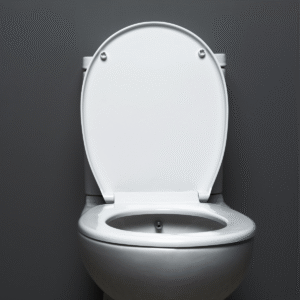
 Many Houston residents who call for toilet repair services might not know that the primary culprit for wobbly fixtures or foul odors isn’t internal components, but a broken toilet flange. What makes many plumbing problems tricky is that oftentimes, the first indicator of something wrong is simply a foul odor, which could point to a vast slew of completely different issues. Because of this, it is essential not only to understand how to tell if the toilet flange is working properly, but also why working with a professional Houston plumbing company is crucial. At Santhoff Plumbing, our goal is always to educate our clients on the unique components of their home’s plumbing system while providing facts, effective ,and affordable service. Use this blog as your guide to learning what a toilet flange is and how it plays a key role in your residential plumbing system.
A Residential Plumbing Hero: Defining The Toilet Flange
When most people think of the word “plumbing”, the first thing that comes to their mind is probably toilets. We often overlook the components of these familiar fixtures, even though they are an undeniable part of everyday life. The toilet flange, also sometimes called a closet flange, is one of the most overlooked components, but the role it plays in the plumbing system is extremely impactful. This part is located at the base of the toilet and looks like a large rubber ring, which is what connects the toilet to the main drain pipe underneath your bathroom floor. The toilet flange provides two extremely important roles when it comes to preventing toilet repair for Houston homeowners:
- Create a sturdy anchor point for the primary toilet bolts. This helps keep the porcelain base secure and safe for users and other important components.
- Accurately compress the wax ring in order to secure an airtight and watertight seal between your bathroom and the sewer system below. This is imperative for preventing foul odors from entering your home’s plumbing system.
Why is repairing your Houston home’s toilet flange so important? The toilet flange is so crucial because it is the sole barrier between your home and whatever fluids are occupying the sewer below. When this component fails, it can lead to significant floor damage and even dangerous mold growth. Because of that, learning the early signs of a toilet flange failure is essential for any Houston homeowner.
Anatomy of a Flange: Why It Requires Effective Toilet Repair
While understanding the imperative role that toilet flanges play in your Houston home’s plumbing system is important, looking into the unique components and what might cause them to break is also necessary. What makes a flange tricky to maintain is that its durability almost completely hinges on the material quality of the part and the accuracy of the installation. Because of this, working with a reliable Houston plumbing company like Santhoff Plumbing is a true investment for your home’s plumbing system and its longevity.
The three primary components of a toilet flange include:
- The flange: This is the primary ring that makes up the toilet flange as a whole. It is most typically made out of PVC, ABS, or even cast iron.
- The wax ring: The wax ring is a seal that lies between the flange and toilet base. However, it is the flange that is responsible for keeping this ring in place in order to create the durable seal.
- The bolts: Two bolts are used to secure the toilet base itself to the flange, which plays a key role in applying pressure on the wax ring.
The most common failures that can occur come from the unique challenges that each material category carries. For example, plastic flanges can easily crack or break under extreme stress. Additionally, over time, they can simply become brittle with age. On the other hand, cast iron or metal flanges are highly susceptible to rust and corrosion – especially near the bolt slots where friction can expedite the problem.
Usually, the biggest reason for toilet flange repair is overtightening the bolts or age and material degradation. However, accidental impacts or subfloor movement and foundation settling can also cause issues that demand toilet repair.
Subtle Warnings of Toilet Flange Damage You Can’t Ignore
While toilet flange damage almost always requires professional toilet repair, there are usually a handful of noticeable, yet subtle, signs that may happen before detrimental damage occurs. These four common signs are imperative for every Houston homeowner to know in order to prevent a damaged toilet flange from causing irreversible damage to their plumbing system, flooring, and even their home’s foundation.
The first is a wobbly toilet. This is the first indicator, as it means the bolt slots have likely cracked and are unable to hold the bolts in place any longer. Second is a persistent foul odor coming from the base of the toilet. A cracked flange typically causes this by loosening the seal and breaking the integral barrier between the sewer system and your home.
Look for slightly stained ground near the base of the toilet; this is the third sign. If the grout of caulking is stained, it can be an indicator that some level of moisture is leaking in the area, which could point to a leaky toilet flange needing to be repaired.
Lastly, be sure to carefully watch out for loose or missing caps and bolts. If these continuously fall off, it typically means that the anchoring point of the flange is separating from the subfloor, which will quickly lead to a leaky toilet seal as well.
It is essential to call your plumbing team at Santhoff Plumbing at the first sign of any of these subtle shifts in order to quickly and effectively stop a simple toilet repair from growing into a significant problem.
What to Do If You Suspect a Toilet Flange Repair Is Needed
Once you recognize that your toilet flange is broken and in need of repair, the first action to take is calling Santhoff Plumbing for fast, effective, and affordable service that lasts. While you wait for our plumbing technicians, turn off the toilet’s water supply to stop any leaks, and avoid flushing the toilet until we repair it. In order to help mitigate any significant floor damage from sewer leaks, use an absorbent and disposable material to sop up any liquid as it rises.
Remember, a toilet flange repair often requires meticulous technique and invasive procedures like cutting into the subfloor or replacing drain line segments, so opting for a DIY fix is only going to make the problem worse in the future.
Choose Professional Toilet Repair For Maximized Durability
Now that you’ve learned how to spot a toilet flange failure within your Houston home’s plumbing system, it is vital to remember why choosing Santhoff Plumbing is the best choice for your system. Santhoff Plumbing’s team of plumbers not only solves problems efficiently but also finds the correct solutions and materials to provide you with the longest-lasting fix possible. If you suspect your toilet flange needs repair, don’t hesitate. Contact us today for a free toilet repair estimate for your Houston home.