
 YouTube has made homeowners more confident in DIY repairs than ever before, and for many projects, that’s great. But sewer line repair is one of the areas where DIY ambition can get Houston homeowners into serious trouble. The consequences of getting it wrong go well beyond a leaky faucet, and in Texas, doing unpermitted sewer work can create legal liability issues when you sell your home.
1. It’s Dangerous
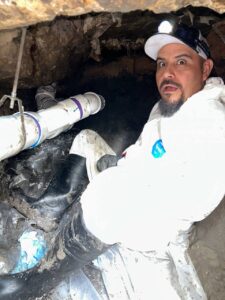
Sewer lines carry sewage, which contains pathogens including E. coli, Salmonella, hepatitis A, and other harmful microorganisms. Working in a trench with an open sewer line without proper protective equipment exposes you to serious health risks. Professional plumbers use proper PPE and follow protocols for safe handling of sewage.
Additionally, digging around sewer lines can expose buried gas lines, electrical conduit, and water mains. Texas 811 (call before you dig) must be contacted before any digging, and even with utility marking, unexpected underground infrastructure is a constant risk in Houston’s dense urban and suburban areas.
2. It Requires a Permit in Houston
Sewer line repair and replacement in Houston requires a permit from the relevant municipality and must pass inspection by a licensed inspector. Unpermitted sewer work can:
- Create problems when you sell the home — unpermitted work discovered during buyer inspection is a significant liability
- Expose you to fines if the work is discovered by inspectors
- Void your homeowner’s insurance coverage for related damage claims
- Result in required removal and redo of all unpermitted work at your expense
3. Improper Repairs Often Make Things Worse
Sewer line repair isn’t just a matter of patching a hole. Proper repair requires understanding pipe grade (slope toward the sewer main), pipe material compatibility, joint sealing standards, and backfill compaction requirements. An improperly graded repair creates belly sections that collect waste. An improperly sealed joint leaks and allows root intrusion. Improper backfill causes settlement that damages the repair.
In Houston’s clay soil, settlement after excavation is a particularly significant concern. Professional plumbers use proper bedding materials and compaction techniques that a typical homeowner will not have access to.
4. Trenchless Methods Are Not DIY-Friendly
Trenchless sewer repair methods like CIPP lining and pipe bursting require specialized equipment that costs $50,000 to $200,000+ and requires extensive training to operate properly. These are professional-grade solutions that cannot be replicated with consumer-grade tools.
5. You Won’t Know If You Fixed It
Professional sewer line repair includes camera inspection after the repair to verify the work. Without a camera, you have no way to know if your repair was successful until something goes wrong, which may be months later when the soil has settled, and the repair has failed.
What to Do Instead
Call Santhoff Plumbing. We’ve been handling sewer repair throughout Houston since 1974. We’ll camera-inspect the line to understand exactly what’s wrong before we recommend or start any work, and we’ll give you a transparent, written estimate. We handle all permits and inspections, and we stand behind our work with a warranty.
Frequently Asked Questions
Can I use a rented drain snake to fix a sewer line problem?
A rental drain snake can clear a simple blockage, but it won’t address structural damage, root intrusion, or grade issues. If your sewer line problem is recurring after snaking, the line needs professional evaluation.
Is sewer line repair covered by homeowner’s insurance?
Sewer line damage from sudden events (tree root intrusion, soil movement causing joint separation) may be covered depending on your policy. Gradual deterioration from age is typically not covered. Contact your insurer and document the damage before starting any repair.
How long does professional sewer line repair take in Houston?
Simple hydro-jet cleaning takes 1–2 hours. Trenchless repair takes 1–2 days. Full excavation and replacement of a sewer line run takes 2–5 days depending on length and access.
How do I know if I have a sewer line problem vs. a drain clog?
A single slow drain is usually a localized clog. Multiple slow drains throughout the house, gurgling toilets, sewage odors in the yard, or wet patches in the lawn above the sewer line path all point to a main sewer line issue requiring professional evaluation.